High-Fiber Foods for Better Digestion, Weight Management, and Health

Eating a diet rich in fiber can transform your digestion, help manage your weight, and improve overall health. If you want to eat healthier and improve digestion, focusing on high fiber foods is a smart step. Fiber plays a crucial role in keeping your gut healthy, supporting weight loss, and maintaining steady energy levels throughout the day. This post will guide you through the benefits of fiber, the best fiber foods to include in your meals, and practical tips on how to get more fiber in your diet.

Why Fiber Matters for Your Health
Fiber is a type of carbohydrate found in plant-based foods that your body cannot digest. It passes through your digestive system mostly intact, helping to regulate bowel movements and support gut health. There are two main types of fiber:
Soluble fiber dissolves in water and forms a gel-like substance. It helps lower cholesterol and blood sugar levels. Foods with soluble fiber include oats, apples, and beans.
Insoluble fiber adds bulk to stool and helps food pass more quickly through the stomach and intestines. Foods with insoluble fiber include whole grains, nuts, and vegetables.
Eating a high fiber diet supports digestion by preventing constipation and promoting regularity. It also feeds the good bacteria in your gut, making fiber foods for digestion essential for a balanced microbiome.
Benefits of Fiber You Can Feel
Including fiber rich foods in your daily meals offers several benefits:
Improved digestion: Fiber helps move food through your digestive tract smoothly, reducing bloating and discomfort.
Weight management: High fiber foods that keep you full can reduce hunger and prevent overeating. Fiber for weight loss works by slowing digestion and stabilizing blood sugar.
Heart health: Soluble fiber helps lower LDL cholesterol, reducing the risk of heart disease.
Blood sugar control: Fiber slows sugar absorption, helping to prevent spikes in blood glucose.
Gut health: Fiber feeds beneficial gut bacteria, supporting immune function and reducing inflammation.
How Much Fiber Do You Need?
The recommended daily fiber intake varies by age and gender but generally falls between 25 to 30 grams per day for adults. Most people fall short of this target. To meet your fiber goals, focus on incorporating a variety of fiber foods for digestion and weight management into your meals.
Best Fiber Foods to Start With
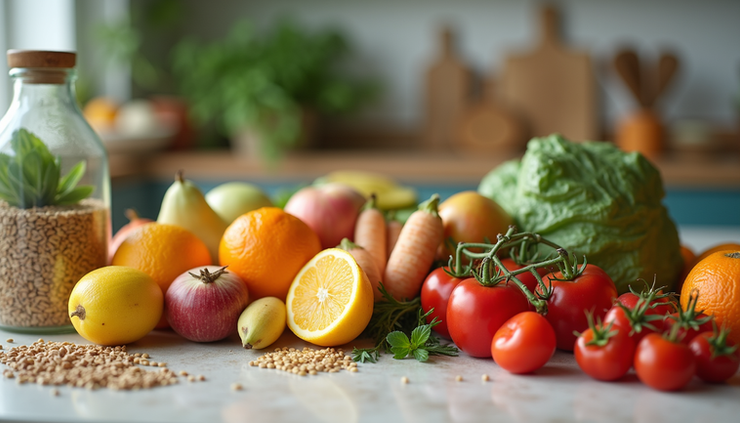
If you are new to a high fiber diet, here is a list of best high fiber foods for beginners that are easy to add to your daily routine:
Legumes: Lentils, chickpeas, black beans, and kidney beans are packed with both soluble and insoluble fiber.
Whole grains: Brown rice, quinoa, barley, and oats provide a solid fiber boost.
Fruits: Apples, pears, berries, and oranges offer fiber along with vitamins and antioxidants.
Vegetables: Broccoli, carrots, Brussels sprouts, and sweet potatoes are fiber rich foods that also add color and nutrients.
Nuts and seeds: Almonds, chia seeds, and flaxseeds add crunch and fiber to snacks and meals.
How to Get More Fiber in Your Diet
Adding fiber to your meals doesn’t have to be complicated. Here are some practical tips and high fiber meal ideas:
Start your day with a bowl of oatmeal topped with berries and chia seeds.
Swap white bread and pasta for whole grain versions.
Add beans or lentils to soups, salads, and stews.
Snack on raw vegetables with hummus or a handful of nuts.
Include a side of steamed broccoli or roasted Brussels sprouts with dinner.
Creating a high fiber grocery list can help you shop smarter. Focus on whole, unprocessed foods and avoid refined grains and sugary snacks that lack fiber.
Foods That Improve Digestion Naturally
Certain fiber foods for digestion have added benefits beyond fiber content. For example:
Yogurt with live cultures supports gut bacteria.
Flaxseeds provide omega-3 fatty acids along with fiber.
Apples and pears contain pectin, a type of soluble fiber that promotes healthy digestion.
Leafy greens like spinach and kale add fiber and essential nutrients.
Including these gut healthy foods alongside your fiber rich foods can enhance digestion and overall wellness.
Final Thoughts on Eating More Fiber
If you want to eat healthier and improve digestion, focusing on foods high in fiber is one of the best changes you can make. A high fiber diet supports your digestive system, helps you feel full longer, and contributes to weight management. Start with the best fiber foods for beginners and gradually increase your daily fiber intake to avoid digestive discomfort.
Remember to drink plenty of water as you increase fiber, since fiber works best when it absorbs water in your digestive tract. With simple swaps and meal ideas, you can enjoy the benefits of fiber every day.
Explore more about fiber and gut health with Eat For It nutrition and take the next step toward a healthier, more balanced diet. Your gut will thank you.
Disclaimer: This content is for informational purposes only and does not replace professional medical advice. Consult a healthcare provider before making significant changes to your diet.


Comments